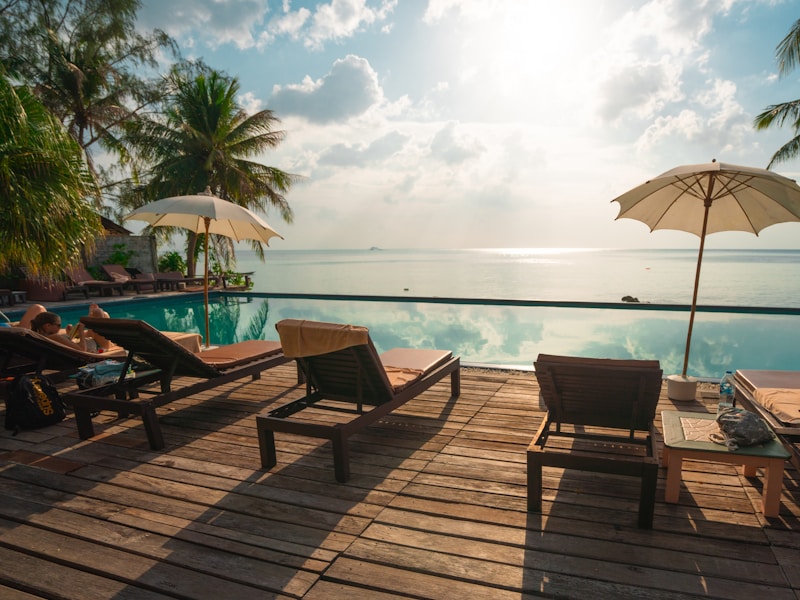
The Hotel That Redefined Luxury
When Burj Al Arab opened in December 1999, the term “7-star” entered the global vocabulary — coined by journalists who couldn’t fit what they were seeing into the existing 5-star framework. Twenty-five years later, the hotel still sits on its own artificial island, still towers 321 meters above the Arabian Gulf, and still hosts a roster of guests that reads like a Forbes list.
What makes the Burj different isn’t a single thing — it’s the cumulative absurdity. 24-karat gold leaf on the lobby ceiling, butlers on call 24/7 for every suite, a Rolls-Royce fleet at guest disposal, a helipad that’s hosted Tiger Woods (he tee’d off it) and Roger Federer (he played tennis there). The hotel is, deliberately, theater.
The Setting
The hotel sits 280 meters offshore, connected by a private causeway. The location was carefully chosen: from your suite, the only thing between you and the Arabian Gulf is glass. Most rooms face the sea, with a smaller premium subset facing the iconic skyline of Dubai including Burj Khalifa.
You access the hotel via security gates at the causeway entrance — there’s no walking up. This isn’t a hotel for casual visitors. Even afternoon-tea bookings require a confirmed reservation in advance.
Dining
The hotel houses 9 restaurants across multiple levels, all halal-certified given Dubai’s local norms. Highlights include Al Mahara (the underwater seafood restaurant accessed via a simulated submarine ride), Al Muntaha on the 27th floor (Mediterranean fine dining with full city views), and Sahn Eddar (afternoon tea in the lobby atrium — book months ahead).
Who It’s For
Honeymooners marking the experience. Successful executives wanting a story. Families with the means to indulge their kids in the only suite-only luxury hotel in Dubai. Repeat visitors who book a different suite category each time.